Decoding Tree Decay: Identifying Threats and Solutions for Tree Longevity Oct 26, 2026
The first step in decoding tree decay is to understand what causes it. Tree decay is often the result of fungal infections that enter through wounds in the bark. These wounds can occur naturally or be the result of damage due to insects, storms, or human activity. Once the protective bark is breached, fungi can infiltrate and begin decomposing internal wood structures, which compromises the tree’s stability and health.
One clear indicator of tree decay is the presence of mushrooms or fungal growth at the base or on the trunk of the tree. These growths often signal that the internal structure of the tree may be compromised. Additionally, if you notice cracks, cavities, or soft, spongy wood, these may be signs of structural decay. Unusual leaf shedding, leaf discoloration, or a thinning canopy can also indicate an internal issue.
Beyond simply recognizing decay, it’s important to understand the potential threats it poses. A decaying tree poses a significant safety hazard, especially during high winds or storms when branches or the entire tree may fall unexpectedly. Furthermore, a sick tree can infect neighboring healthy trees, so addressing issues swiftly is crucial.
Addressing tree decay is a process that often requires professional assistance. However, there are several strategies you can implement with the guidance of experts like Etherton’s Tree Service. Regular inspections are vital; consider scheduling routine check-ups to catch potential issues early. These assessments can often prevent minor problems from developing into major concerns.
Pruning is another effective method to manage decay. Removing dead or dying branches can improve air circulation and allow more sunlight to filter through, which is beneficial for the tree’s health. Proper pruning also helps eliminate potential entry points for pathogens. It's vital to perform pruning correctly to avoid further damage, and partnering with a professional ensures it's done safely and effectively.
Maintaining soil health is equally important. Aeration, proper watering, and fertilization support robust root systems and improve the tree’s resilience against diseases. Monitoring soil pH levels and adjusting them as needed can also contribute to a healthier environment for the tree.
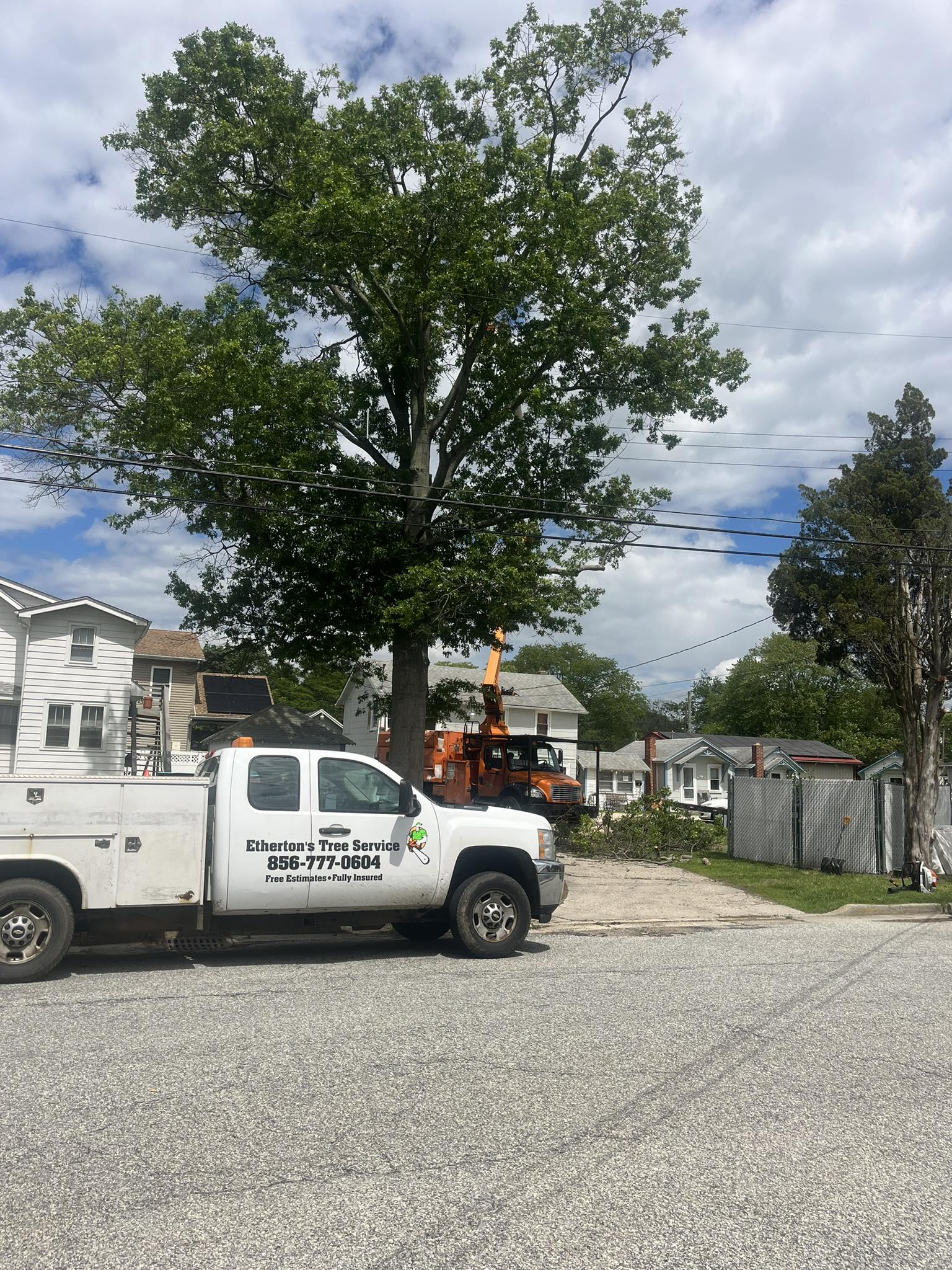
In instances where decay is advanced, tree removal may be the best option to prevent harm to property and people. While this might seem extreme, safety should always take precedence. Professionals like those at Etherton’s Tree Service can safely assess and, if necessary, remove decayed trees with minimal impact on the surrounding landscape.
In conclusion, understanding and addressing tree decay is a proactive approach to tree care that promotes longevity and safety. By regularly inspecting trees, implementing proper pruning techniques, and maintaining soil health, you can help your trees thrive for years to come. When dealing with signs of decay, remember to consult professionals, like those at Etherton’s Tree Service, who are equipped with the expertise needed to manage tree health effectively and safely. With the right care and attention, your trees can remain vibrant and healthy, providing joy and ecological benefits for years.