Nurturing Young Trees: Essential Tips for Encouraging Healthy Growth Oct 09, 2026
When planting young trees, location is everything. Before settling on a spot, consider the specific needs of the tree species, such as the amount of sunlight, soil type, and space for root growth. Trees that are placed too close to buildings, power lines, or other trees are likely to encounter challenges as they mature. Therefore, ensure you select a location that offers ample space and aligns with the tree's growth requirements.
Once planted, proper watering is essential for the survival and growth of young trees. For the first few years, trees should be watered deeply and consistently. This encourages roots to grow down into the soil, enhancing drought resistance. Typically, new trees require a slow soaking at the base to penetrate the root system, usually once a week, depending on rainfall and soil conditions. Avoid over-watering as it can lead to root rot and fungal growth.
Mulching is a highly effective way to retain soil moisture and regulate temperature. Applying a two to three-inch layer of organic mulch, such as wood chips or bark, around the base of the tree can help protect young saplings. Be sure to leave space around the trunk to prevent rot and ensure adequate air circulation. This protective layer not only insulates the roots but also reduces weed growth that competes for water and nutrients.
Pruning is another vital component of caring for young trees. While it might seem counterintuitive to cut back growth, strategic pruning can help shape the tree and remove any dead or diseased branches. A well-pruned young tree is more structurally sound and less prone to wind damage. Perform pruning in late winter or early spring before the onset of new growth, and remove any crossing branches to maintain a clean central leader.
Nutrient-rich soil is the foundation of healthy tree growth. Young trees are particularly sensitive to their soil environment, hence regular soil tests can be useful in determining nutrient deficiencies. If needed, apply a balanced fertilizer to replenish vital nutrients, taking care not to over-fertilize, which can damage the tree.
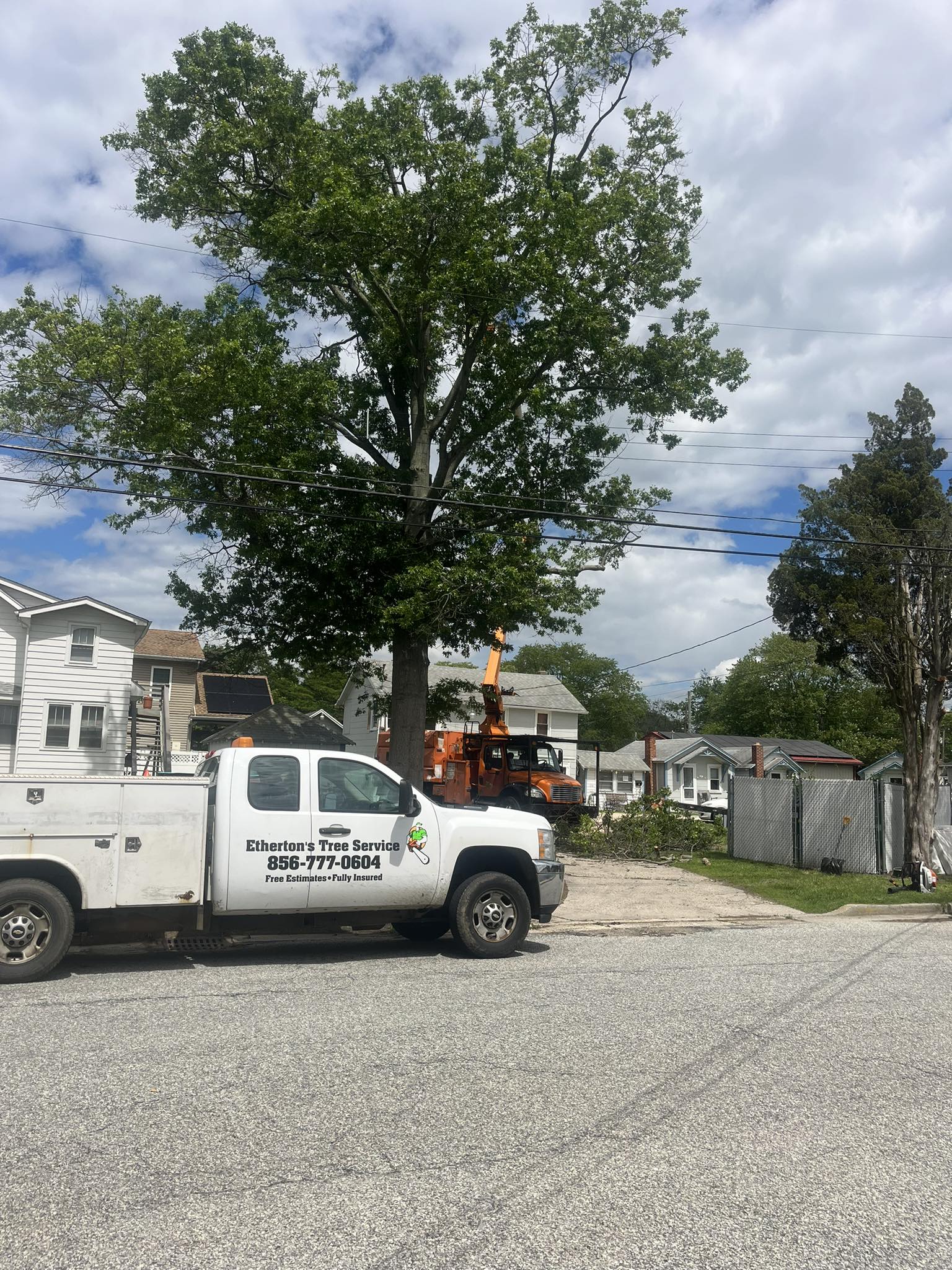
Lastly, regular inspections by the professionals at Etherton’s Tree Service can help identify potential issues before they escalate into serious problems. A trained arborist can provide tailored advice and treatments that foster optimal growth conditions for young trees, ensuring they mature into robust, healthy members of your landscape.
In conclusion, nurturing young trees requires a proactive and informed approach. By focusing on strategic planting, adequate watering, mulching, and maintenance, alongside occasional professional insights, you can enjoy vibrant and healthy trees for generations to come. With these essential tips, customers of Etherton’s Tree Service will be well-equipped to create flourishing environments with confidence.