The Role of Trees in Biodiversity: Creating Habitats in Your Own Backyard Jul 03, 2026
A healthy tree doesn't just stand alone; it forms the backbone of a dynamic, interconnected habitat. When you plant a tree, you're not just adding beauty to your landscape. You're creating a sanctuary for wildlife. Birds, insects, squirrels, and an array of other creatures seek refuge and nourishment in its branches and bark. Caterpillars may use the leaves as a food source, while birds might rely on branches for nesting and cover. This intricate web of interactions supports species diversity, making trees a critical player in sustaining biodiversity.
To fully understand the benefits, consider the role trees play in providing natural resources. For instance, they offer nectar for pollinators like bees and butterflies, whose activities are integral to fruit and flower production. Trees such as oaks, willows, and cherries are particularly beneficial due to their year-round usage. Planting a variety of native trees can enhance these effects, as native species are more likely to attract local wildlife and sustain the existing ecosystem.
Moreover, trees help regulate microclimates around them. They provide shade, reduce wind speeds, and moderate temperatures, creating a more livable environment for various species. The canopy and fallen leaves contribute to the soil's moisture and nutrient content. This not only benefits plant growth but also supports soil-dwelling organisms crucial to decomposition and nutrient cycling.
When selecting trees for your yard, it's important to consider species that will thrive in your specific climate and soil conditions. Native species are often the best choice for promoting biodiversity, as they co-evolve with local wildlife. For those living in North America, maples, birches, and pine species come highly recommended. These trees not only adapt well to many environments but are also known for their extensive ecosystem roles.
Incorporating a diverse array of trees can also protect against pests and diseases. A mixture of species offers a buffer against outbreaks, as a pest that harms one tree species may not affect another. This diversity ensures a healthier, more resilient backyard forest.
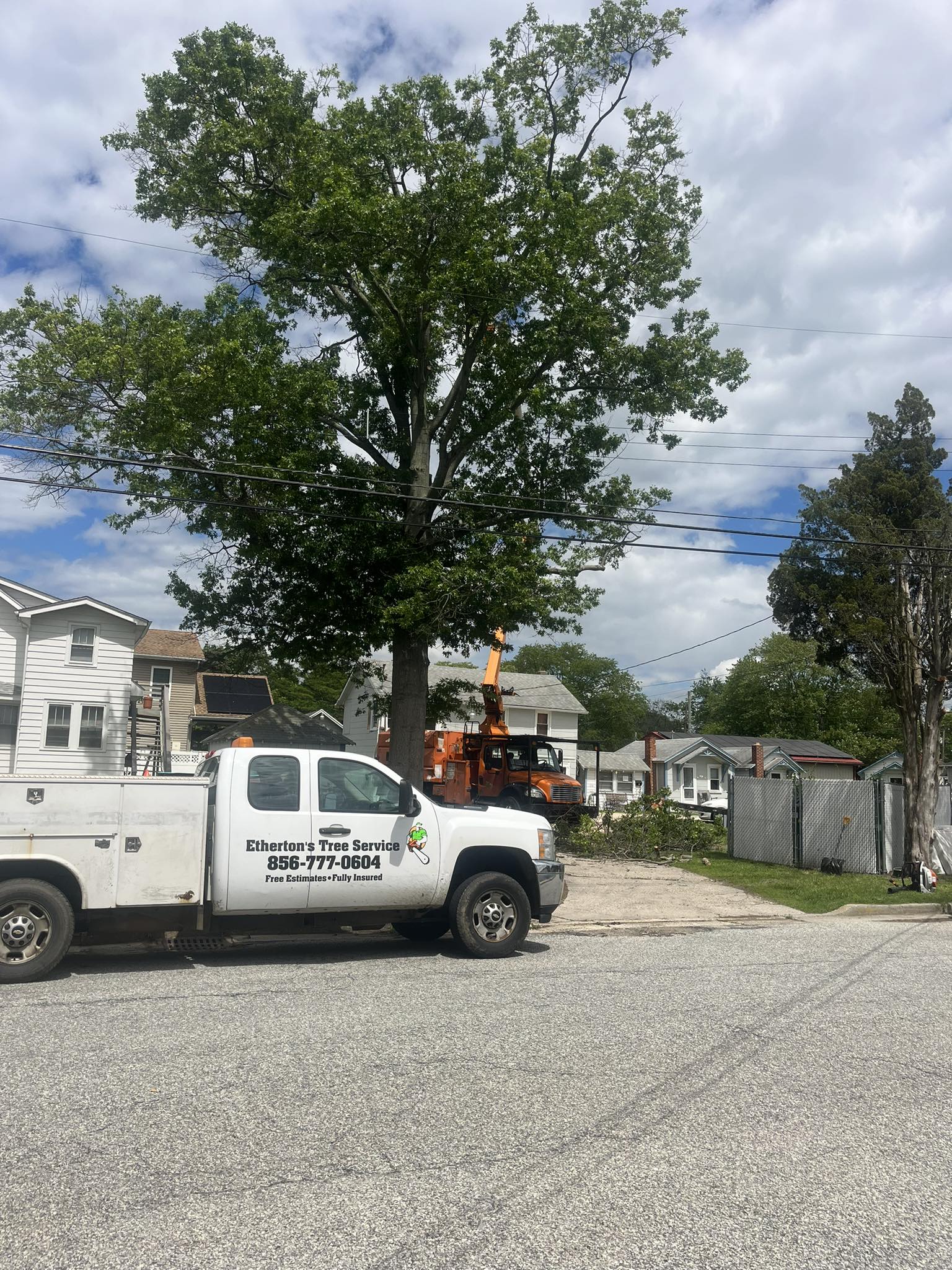
Etherton’s Tree Service is committed to helping you choose and care for the right trees to benefit both your local ecosystem and personal space. Their expert services ensure trees remain disease-free and properly pruned, maintaining a conducive environment for biodiversity. Regular maintenance not only preserves tree health but also guarantees that these vital habitats can continue to support wildlife.
In conclusion, the role of trees in sustaining biodiversity extends far beyond aesthetics. By transforming your yard into a vibrant ecosystem, you're playing a part in preserving wildlife and enhancing local biodiversity. Whether you are just starting out or looking to enhance an existing landscape, Etherton’s Tree Service stands ready to guide and support your ecological endeavors. Through thoughtful selection and expert care, your backyard can become a thriving habitat, showcasing the important role trees play in our world's biodiversity.