The Role of Trees in Soil Stabilization and Erosion Control in Urban Areas Sep 22, 2026
Urban environments, characterized by high population densities and extensive paved surfaces, present unique challenges in managing soil stability. The removal of vegetation during construction increases the risk of erosion, which can lead to severe environmental and structural impacts. This is where trees come in as vital components of erosion control strategies.
Trees significantly contribute to soil stabilization by bonding the soil structure through their complex root systems. These roots act as natural anchors, holding the soil in place and reducing the speed of water runoff. When rainwater hits the ground, trees mitigate the force of the water through their canopy, thereby reducing soil displacement. Moreover, the leaf litter from trees contributes organic matter to the soil, enhancing its structure and water retention capacity.
A well-planned urban landscape that includes a variety of tree species can effectively reduce the impacts of both wind and water erosion. Wind can rapidly remove topsoil, especially in areas that are exposed and barren. Trees act as windbreakers, minimizing the strength of the wind at soil level. Furthermore, strategically placed trees along slopes and near water bodies can help maintain the integrity of these areas, preventing landslides and bank erosion.
Incorporating trees into urban planning is not just about aesthetics or recreation; it's a practical approach to a sustainable urban infrastructure. By stabilizing the soil, trees protect buildings and roads from the detrimental effects of erosion, which can lead to costly repairs and safety hazards.
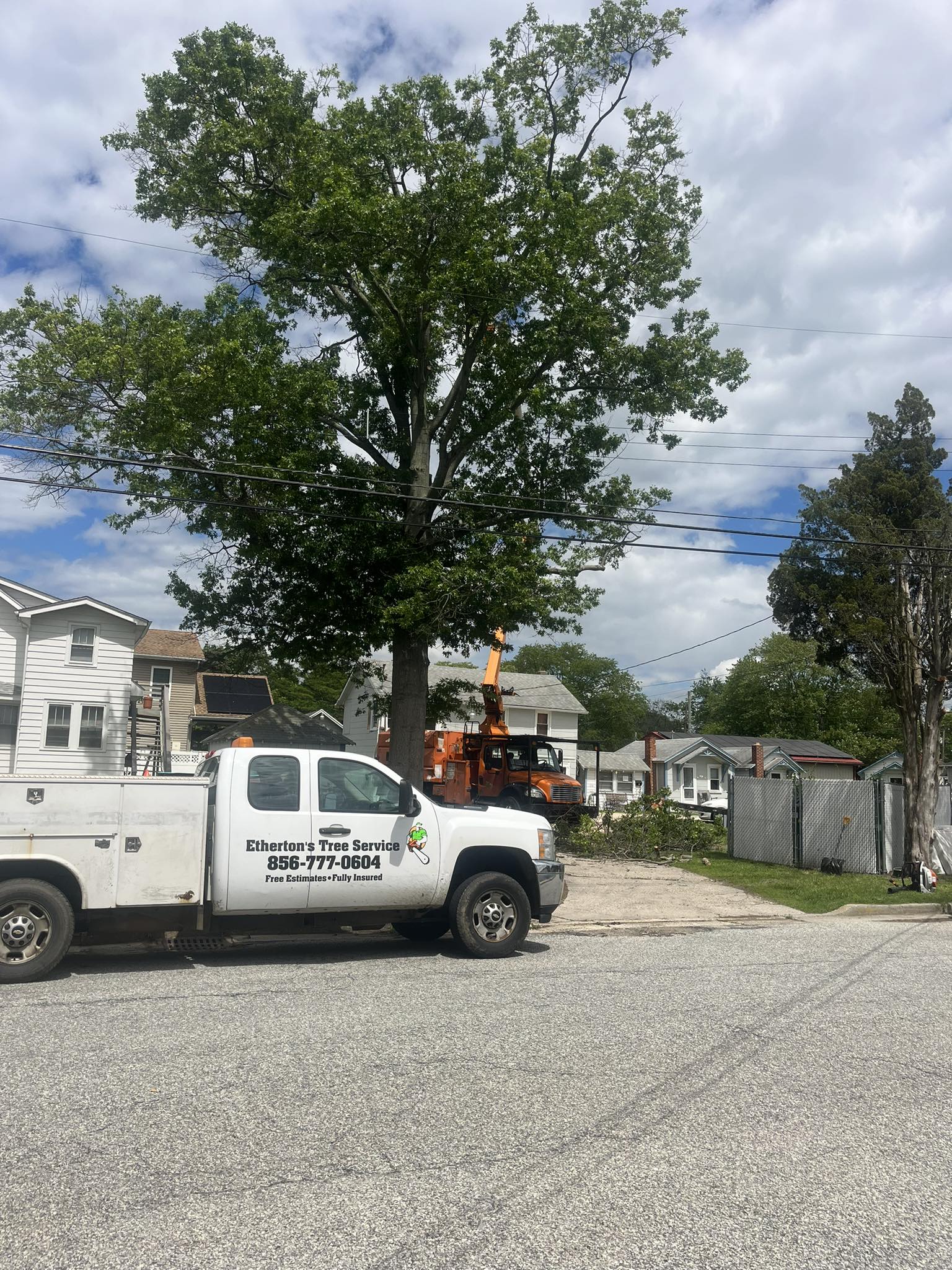
For urban planners and developers, understanding the role of trees in these environmental processes is crucial. Trees should be considered an integral part of early planning and design, rather than an afterthought. Collaborating with services like Etherton’s Tree Service ensures the right selection of tree species, proper planting, and maintenance, which altogether enhance their effectiveness in soil stabilization and erosion control.
However, maximizing the benefits of trees requires continuous care and management. Regular maintenance such as pruning is essential to reduce the risk of disease and structural failure of urban trees. By maintaining robust tree health, cities can ensure their green infrastructure continues to perform essential ecological services.
Beyond their physical contributions, trees offer significant economic and social benefits. They increase property value, promote mental health, and enhance community wellbeing. Therefore, it is vital to invest in tree care and urban forestry initiatives that support healthy environments.
Etherton’s Tree Service is dedicated to helping urban areas achieve a sustainable balance between development and natural processes. Our team of experts offers comprehensive evaluation and care plans tailored to the unique needs of urban forests. We are committed to protecting the invaluable role trees play in promoting soil stabilization and erosion control.
By understanding and harnessing the power of trees, we can create healthier urban areas that stand resilient against the challenges posed by soil erosion. Let’s work together to plant, protect, and preserve our green infrastructure for future generations. Reach out to Etherton’s Tree Service to learn more about how we can enhance your urban landscape with strategic and sustainable tree solutions.