Understanding the Lifespan of Different Tree Species: What to Expect and How to Plan Sep 30, 2026
Trees are diverse in terms of species, each having unique characteristics and longevity. Deciduous trees, which shed their leaves annually, often have a shorter lifespan compared to evergreen varieties. For instance, birch trees, known for their attractive white bark, typically live 30 to 40 years. Meanwhile, sycamores, recognizable by their mottled bark, can live up to 200 years, making them a long-term investment in your landscaping.
On the other hand, evergreen trees such as pines and spruces can live several decades, with some species reaching over a century. The iconic American pine can often grow for 80 to 100 years, offering sustained beauty and shade. It is essential to consider these lifespans when planning your landscape to ensure your site’s longevity and sustainability.
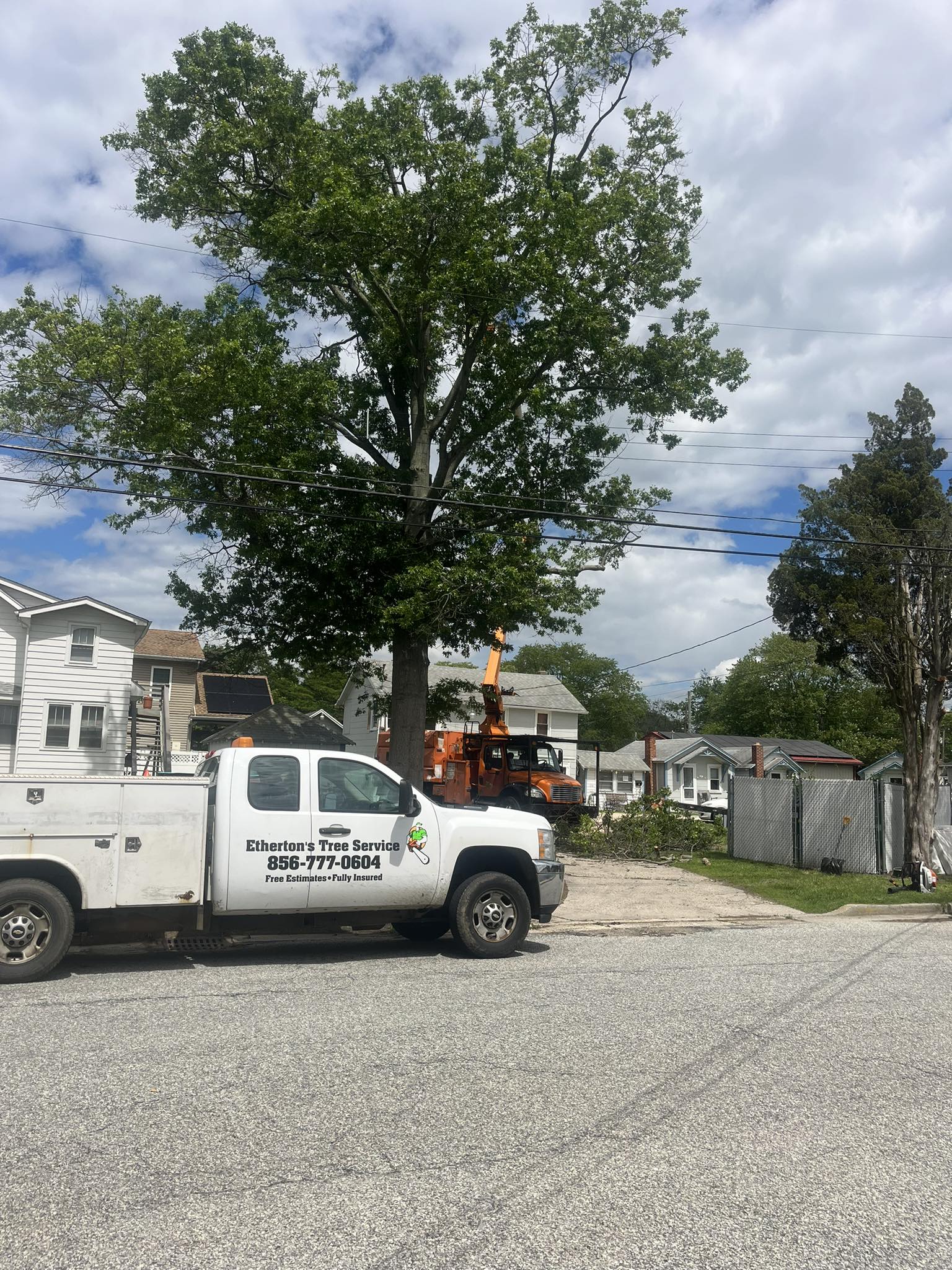
Several factors influence the lifespan of trees, including soil quality, climate conditions, and human intervention. Trees planted in well-draining soil and exposed to adequate sunlight generally have a better chance of thriving longer. Routine maintenance, including pruning of dead or diseased branches, also plays a significant role in extending a tree’s life. Etherton’s Tree Service can assist in providing professional care, ensuring your trees remain healthy and vibrant throughout their lifespan.
When planning your landscape, it’s vital to select trees best suited to your region’s climate. For example, oak trees, which are popular for their vast canopy and robust wood, perform well in varied climates and can live upwards of 300 years in favorable conditions. Alternatively, fruit trees such as apple and cherry provide both ornamental beauty and bountiful harvests, typically living 15 to 50 years, depending on the species and care given.
Strategically planning the placement of different tree species can maximize their benefits. Consider the eventual size and spread of the tree crown, ensuring enough space is available for root and branch growth. This foresight alleviates issues related to overcrowding and competition for resources like sunlight and nutrients. Such planning not only extends the life of individual trees but encourages a balanced and harmonious landscape.
Understanding the lifespan of trees and proper landscape planning can be daunting, but it is an essential aspect of thoughtful property management. For those unfamiliar with tree care techniques, Etherton’s Tree Service is committed to assisting you with expert guidance and maintenance. From planting advice to disease management and pruning, their team ensures that every tree thrives as intended.
In conclusion, recognizing and planning for the varying lifespans of tree species is fundamental to creating sustainable and visually appealing environments. Whether implementing new plantings or maintaining existing ones, taking these factors into account will help you make informed decisions. With the support and expertise of Etherton’s Tree Service, you can ensure that your landscape remains lush and thriving for generations to come.